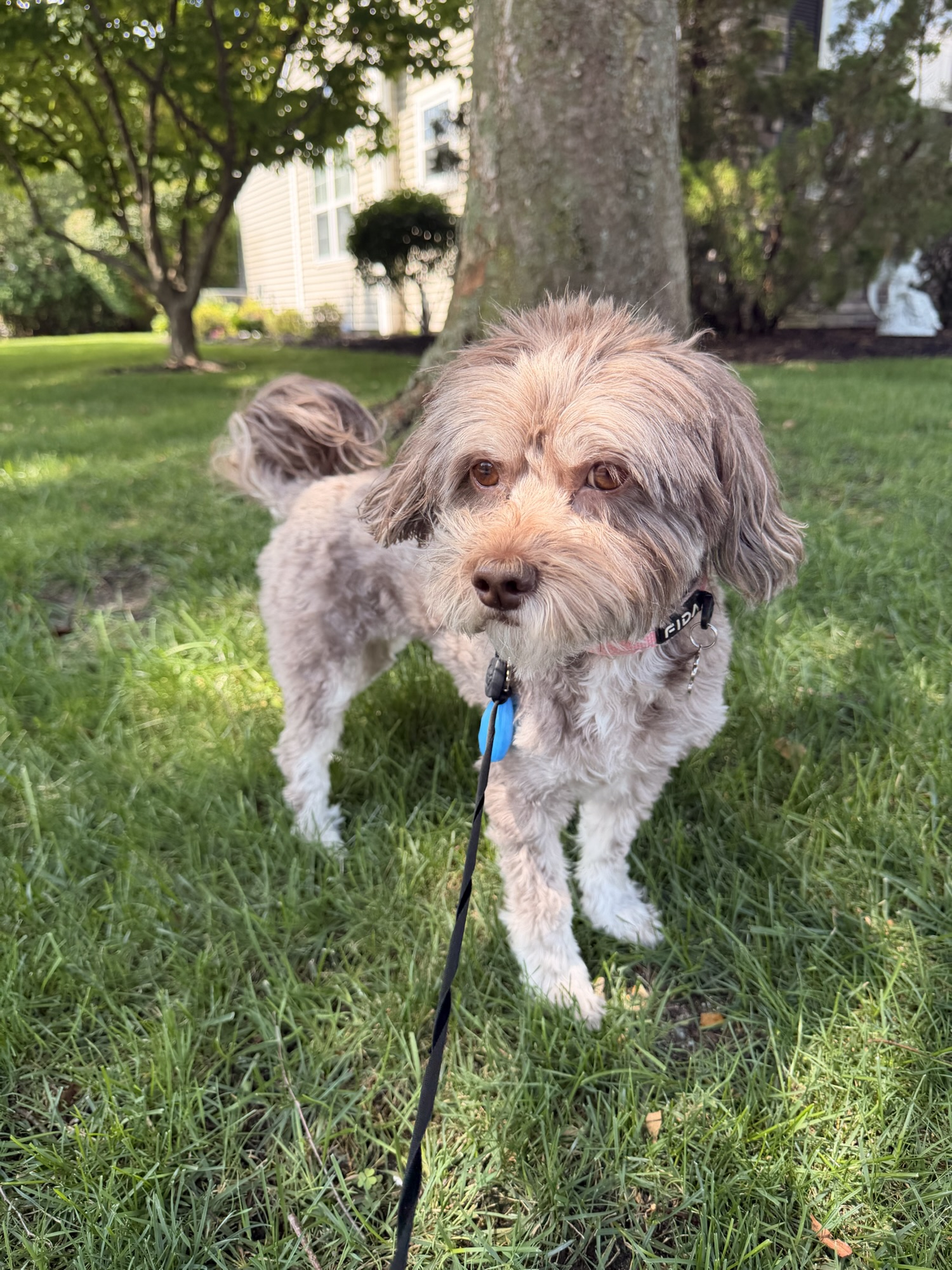
Your Dog Is Talking to You… Just Without Words!
Have you ever looked at your dog and thought, “What are you trying to tell me?”
The truth is, your dog is communicating with you all day long. They don’t use words—they use their ears, eyes, tail, posture, and even the way they breathe!
Learning to read your dog’s body language is one of the best ways to strengthen your bond, prevent misunderstandings, and help your pup feel safe and understood.
Let’s decode what your furry best friend is trying to say!
🐾 The Tail: More Than Just a Wag
One of the biggest myths is that a wagging tail always means a happy dog.
Not necessarily!
A dog’s tail can tell you how they’re feeling, but it’s important to look at the rest of their body too.
🎉 Loose, Wide Wag
A relaxed, sweeping wag that moves the whole back end usually means:
● “I’m happy!”
● “I’m excited to see you!”
● “Let’s play!”
This is the classic full-body wiggle we all love.
⚡ Fast, Stiff Wag
A high, tight wag can mean excitement—but it can also signal that your dog is feeling tense or unsure.
Take a moment to observe the rest of their body before approaching.
🐕 Tail Tucked Between the Legs
A tucked tail often means:
● Fear
● Anxiety
● Nervousness
● Uncertainty
If your dog tucks their tail, try giving them space and helping them feel safe.
👀 The Eyes Tell a Story
Dogs communicate a lot through their eyes.
❤️ Soft Eyes
Relaxed eyes with gentle blinking usually mean your dog is comfortable and content.
👁️ “Whale Eye”
If you can see the whites of your dog’s eyes because they’re looking sideways, this is called whale eye.
It can be a sign that your dog is feeling stressed, uncomfortable, or worried.
Pay attention to what’s happening around them and give them some space if needed.
👁️ Hard Stare
A fixed, intense stare may signal tension or discomfort.
This is especially important if another dog or person is nearby.
👂 What Are Those Ears Saying?
Even floppy ears communicate!
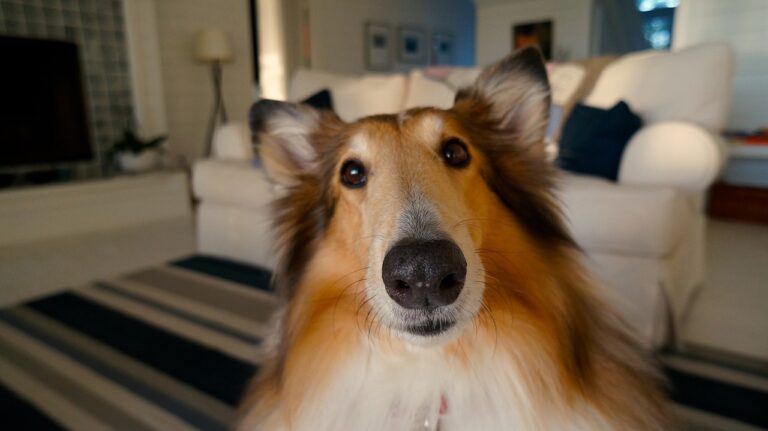
Forward Ears
Your dog is alert and paying attention.
Maybe they heard a squirrel…
Or the treat bag.
Probably the treat bag.
Relaxed Ears
A relaxed position usually means your dog feels calm and comfortable.
Pinned Back
Ears pulled tightly back may mean:
● Fear
● Stress
● Submission
● Uncertainty
Sometimes dogs also pin their ears back when greeting someone they love, so always look at the whole body for clues.
😊 A Relaxed Face = A Happy Dog
Happy dogs often have:
● A soft mouth
● Relaxed lips
● Gentle eyes
● Loose muscles
Some even look like they’re smiling!
😬 Lip Licking Isn’t Always About Food
Dogs lick their lips for lots of reasons.
Sometimes they’re hungry…
But other times it’s a calming signal that says:
“I’m feeling a little uncomfortable.”
If your dog repeatedly licks their lips when someone approaches, they may be asking for a little extra space.
😮 Yawning Can Mean More Than Sleepiness
Just like people, dogs yawn when they’re tired.
But dogs also yawn when they’re feeling:
● Overwhelmed
● Nervous
● Stressed
● Unsure
A yawn during a busy family gathering or a visit to the vet might simply be your dog’s way of coping.
🧍 Body Posture Says It All
Loose and Wiggly
This is the body language every dog owner loves to see.
A loose body usually means:
“I’m relaxed.”
“I’m having fun.”
“I feel safe.”
Frozen Still
If a dog suddenly becomes completely still, pay attention.
Freezing can be an early sign that a dog is uncomfortable and may need more space.
🐾 The Play Bow
Front legs stretched out.
Bottom in the air.
Tail wagging.
Congratulations—you’ve been invited to play!
The play bow is one of the clearest signs your dog is feeling playful and friendly.
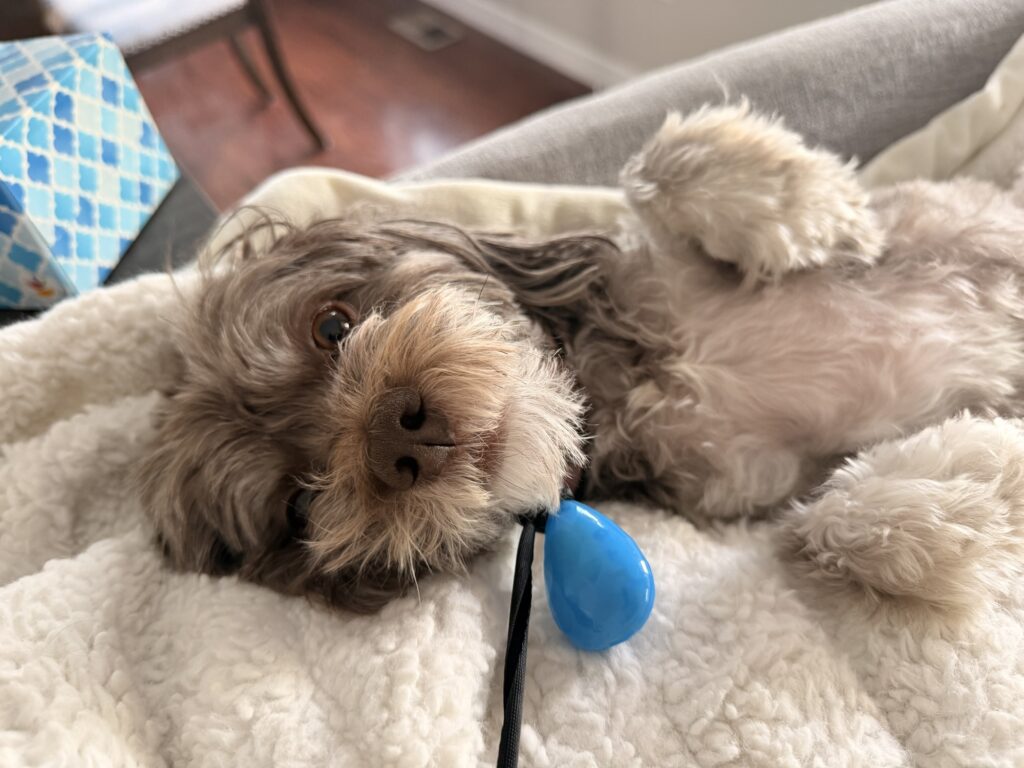
🐕 Rolling Over
Many people assume every dog rolling onto their back wants belly rubs.
Sometimes that’s true!
Other times, rolling over can mean:
“I trust you.”
“I’m being playful.”
“I’m feeling unsure.”
Watch the rest of their body to understand the full message.
🚩 Signs Your Dog May Need a Break
If you notice several of these signals together, your dog may be feeling overwhelmed:
● Lip licking
● Yawning
● Looking away
● Turning their head
● Whale eye
● Tail tucked
● Pacing
● Freezing
● Trembling
Respecting these signals helps build trust and can prevent situations from becoming more stressful.
❤️ Why Understanding Body Language Matters
Dogs don’t suddenly “snap.”
They usually communicate long before they growl or bark.
When we learn to recognize the small signs, we can respond with kindness, patience, and understanding.
Listening to your dog’s body language helps them feel heard—even without words.
Tips for Better Communication
Here are a few simple ways to become fluent in “dog”:
● Observe your dog’s whole body, not just their tail.
● Give your dog choices whenever possible.
● Let them approach new people at their own pace.
● Reward calm, confident behavior.
● Never punish growling—it’s an important form of communication.
● Spend time simply watching your dog during everyday activities. You’ll start to notice their unique ways of expressing themselves.
The more you pay attention, the more you’ll realize your dog has been “talking” to you all along!
Final Thoughts 🐶💚
Every wag, wiggle, stretch, and sideways glance tells a story.
Learning your dog’s body language isn’t about becoming an expert overnight—it’s about slowing down, paying attention, and appreciating all the little ways they communicate. 🐾❤️